

Find Relief From Your Herniated Disc Today
Chiropractic care can be a conservative, non‑surgical option to help many people with disc herniation reduce pain, move better, and delay or avoid spine surgery when appropriate. At Simply Well Chiropractic in Cincinnati, we combine evidence‑informed chiropractic treatment, movement coaching, and co‑management with medical providers so you are not choosing between “chiro or surgery,” but building the right plan for your specific disc injury.
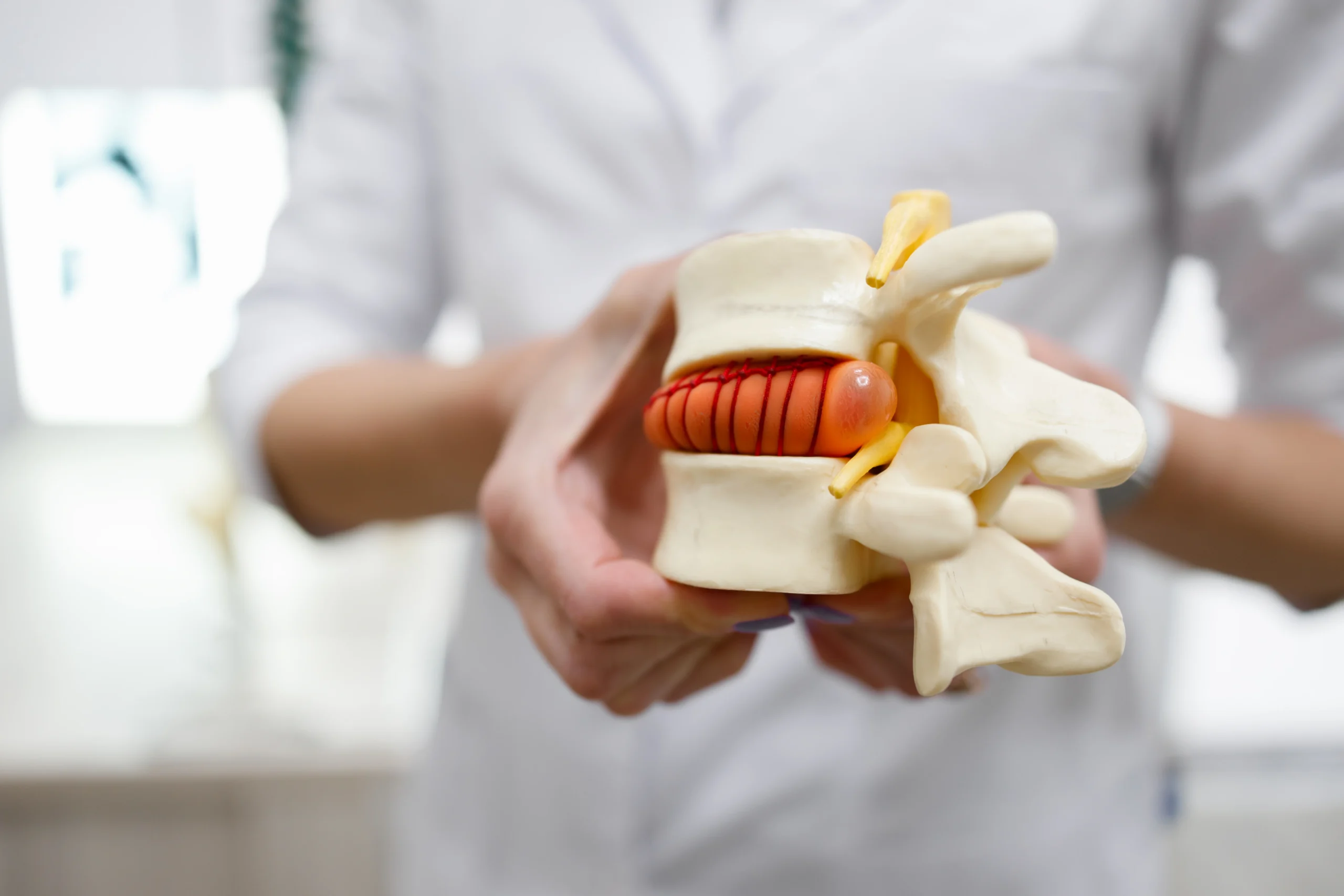
What is a Disc Herniation?
Between each vertebra in your spine sits a cushion called an intervertebral disc with a tougher outer ring (annulus fibrosus) and a softer, gel‑like center (nucleus pulposus). A disc herniation happens when part of that inner material pushes through a tear or weak spot in the outer ring and can irritate or compress nearby spinal nerves.
This is sometimes called a “slipped,” “ruptured,” or “bulging” disc, although those terms describe slightly different stages of disc injury. Herniations can occur in the neck (cervical spine), mid‑back (thoracic spine), or low back (lumbar spine), but most commonly affect the lower lumbar levels where bending, lifting, and twisting forces are highest.
Common symptoms patients notice
Disc herniation symptoms depend on where the disc is located and how much it presses on a nerve. Some people have a large herniation and only mild pain, while others have a smaller bulge that hits a very sensitive part of the nerve and causes intense symptoms.
Typical symptoms can include:
- Local back or neck pain that can be sharp, burning, or deep and achy
- Pain that travels down the leg (sciatica) or arm, often worse with sitting, coughing, or sneezing
- Numbness, tingling, or “pins and needles” in a specific line down the arm, hand, leg, or foot
- Weakness in certain muscles (trouble lifting the foot, gripping, standing on toes, etc.)
- Difficulty standing up straight, walking long distances, or finding a comfortable sleeping position
Medical emergency “red flags” include new loss of bowel or bladder control, numbness in the groin area, suddenly worsening weakness, or fever with severe back pain; these can signal cauda equina syndrome or infection and need urgent emergency evaluation.

Why discs herniate (and what you can control)
Discs wear over time, but a single moment often brings symptoms into focus—like lifting a heavy object with a twist or sitting through a long car ride. Age‑related disc degeneration makes the outer ring drier and less flexible so it can tear more easily, even with routine movement.
Factors that can increase disc herniation risk include:
You cannot change your age or genetics, but you can change how you move, how strong your core and hips are, and how often you load your spine in a healthy way—these are areas where chiropractic care and rehab can make a real difference.
How most disc herniations behave over time
A key point: many disc herniations improve with conservative, non‑surgical care. Research has shown that a large percentage of people have significant pain relief within 4–6 weeks when they follow a non‑operative plan that includes activity modification, targeted exercise, and sometimes medications or injections.
Imaging studies show that herniated material can partially “dry up” and be reabsorbed by the body over months, even when it never looks perfectly “normal” again on MRI. That is why major medical organizations recommend starting with conservative treatment first in the absence of red‑flag symptoms such as bowel/bladder loss or severe progressive weakness.
Where chiropractic fits in your disc care
Chiropractic is one part of the non‑surgical toolbox alongside physical therapy, medications, and, in some cases, injections. A chiropractic approach to disc herniation should be evidence‑informed and tailored; not every patient with a herniation is a good candidate for every technique.
At Simply Well Chiropractic, care for disc‑related pain typically includes:
Detailed history and neurological exam (strength, reflexes, sensation, gait)
Review of any prior X‑ray, CT, or MRI reports—and referral for imaging when needed
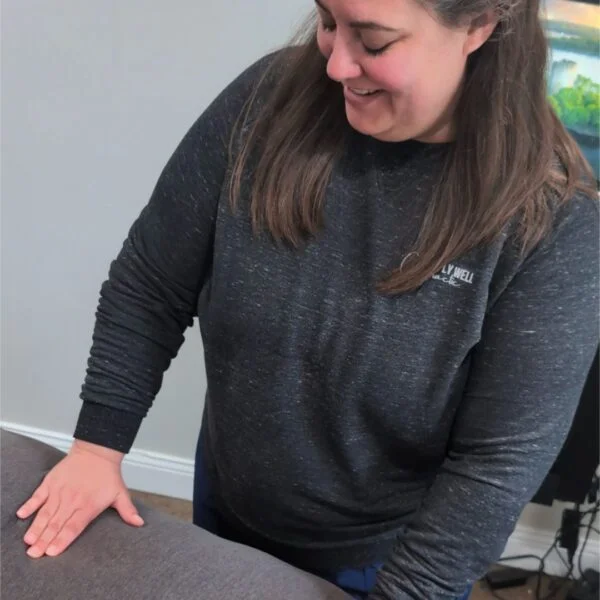
Identification of pain triggers (positions, loads, movements) and relief positions
A staged treatment plan that adjusts as your symptoms change
We are conservative by design: if your symptoms or exam suggest a need for urgent surgical or medical evaluation, we will refer you quickly and coordinate with your other providers.
Chiropractic techniques used for disc herniation
Our goal is not to “pop the disc back in”—there is no evidence that manipulation physically pushes a herniated fragment into place. Instead, we focus on reducing inflammation and mechanical irritation, restoring normal motion, and teaching you how to move so the irritated nerve can calm down.
Not all spinal manipulation looks or feels the same, and for many disc patients we use low‑force, non‑thrust techniques first. Treatment is always individualized, but may include:
Gentle mobilization and traction
Flexion‑distraction (using a specialized table to apply a gentle stretching and pumping motion to the lumbar spine) can reduce pressure within the disc and open the space where the nerve exits.
Manual or mechanical traction may help temporarily relieve nerve pressure in some patients.
Targeted spinal adjustments
When appropriate, controlled, specific adjustments to segments above and below the injured disc can improve joint motion and reduce mechanical stress on the injured level.
For many patients, we prioritize lower‑amplitude, slower techniques or instrument‑assisted adjustments to avoid aggravating the disc.
Soft‑tissue and myofascial work
Muscles around the injured segment often spasm or guard; addressing them can reduce pain and make it easier to move and exercise.
Techniques may include manual therapy, trigger point work, and stretching.
Individualized exercise prescription
Disc‑friendly exercise often starts with positions that centralize pain (move pain out of the leg and back toward the spine) and progress to core, hip, and postural strengthening.
We build this around your actual day—how you sit, lift, parent, drive, or work—so you can protect your back in real life, not just in the gym.
What recovery with Simply Well Chiropractic typically looks like
Every case is different, but a common pattern for disc patients under conservative care might look like this:
Weeks 1–2: Calm the fire
Reduce mechanical irritation with modified activity, positions of relief, and gentle manual care and traction.
Begin very simple movements that do not increase leg or arm symptoms.

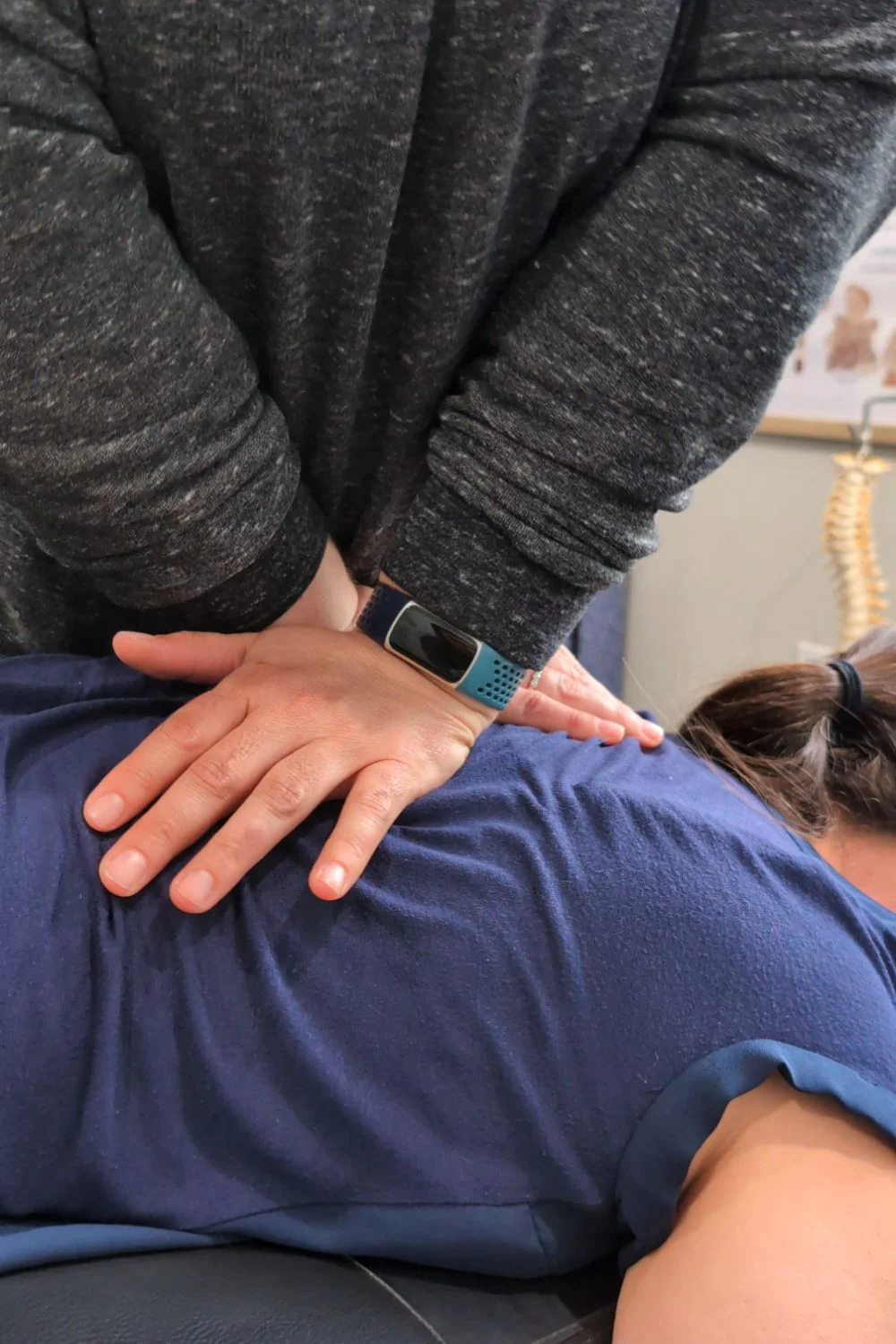
Weeks 3–6: Restore movement and control
Gradually increase spinal mobility and core/hip strength with more specific exercises.
Focus on mechanics for sitting, driving, lifting, and sleep.
Weeks 6–12: Build resilience and prevent recurrence
Progress strengthening, stability, and endurance so your spine can handle real‑life loads (kids, work, sports).
Taper office visits as you become more self‑sufficient with your home program.
How Simply Well Chiropractic is Different
In a city full of spine providers, the experience you have as a patient matters as much as the treatment itself. At Simply Well Chiropractic in Cincinnati, you can expect:
A whole‑person view
We look beyond the MRI report and ask how this disc injury is affecting your work, sleep, family, and mood.
Evidence‑informed, collaborative care
Our recommendations are grounded in current spine research and medical guidelines, and we happily coordinate with your primary care doctor, pain specialist, or surgeon when needed.
Clear communication
You will leave each visit understanding what we did, why we did it, and what you can do at home to keep making progress.
Local, accessible support
As a Cincinnati‑based practice, we understand the demands of local industries, commutes, and lifestyles that put real‑world stress on your spine.
Schedule an Appointment to Find Relief from a Herniated Disc in Cincinnati
Address
5721 Dragon Way #101, Cincinnati, OH 45227
info@simplywellchiro.com
Phone
(513) 271-1233

Written and medically reviewed by Dr. Faith Swartzendruber, DC
Ohio Chiropractic License: DC-05144 | Palmer College of Chiropractic
Founder, Simply Well Chiropractic, Cincinnati