Understanding Benefits, Risks, and How Chiropractors Keep You Protected
Chiropractic care is generally considered safe for most people when it’s delivered by a trained, licensed chiropractor using evidence‑based techniques, especially for common issues like back pain, neck pain, and headaches. Like any healthcare intervention, it does carry risks, but serious complications are rare and can be further minimized with good screening, communication, and a personalized care plan.
What Chiropractic Care Actually Is
Chiropractic care focuses on joints, muscles, nerves, and how they work together to help your body move and function. The most recognizable part of a chiropractic visit is spinal manipulation (a “chiropractic adjustment”), where a chiropractor uses their hands or a small instrument to apply a controlled, precise force to a joint to improve motion and reduce pain.
Beyond adjustments, many chiropractors also use soft‑tissue work, stretching, rehab exercises, and ergonomic or posture coaching to support long‑term function rather than quick, one‑time fixes.
Are Chiropractors Real Doctors? Training and Licensing
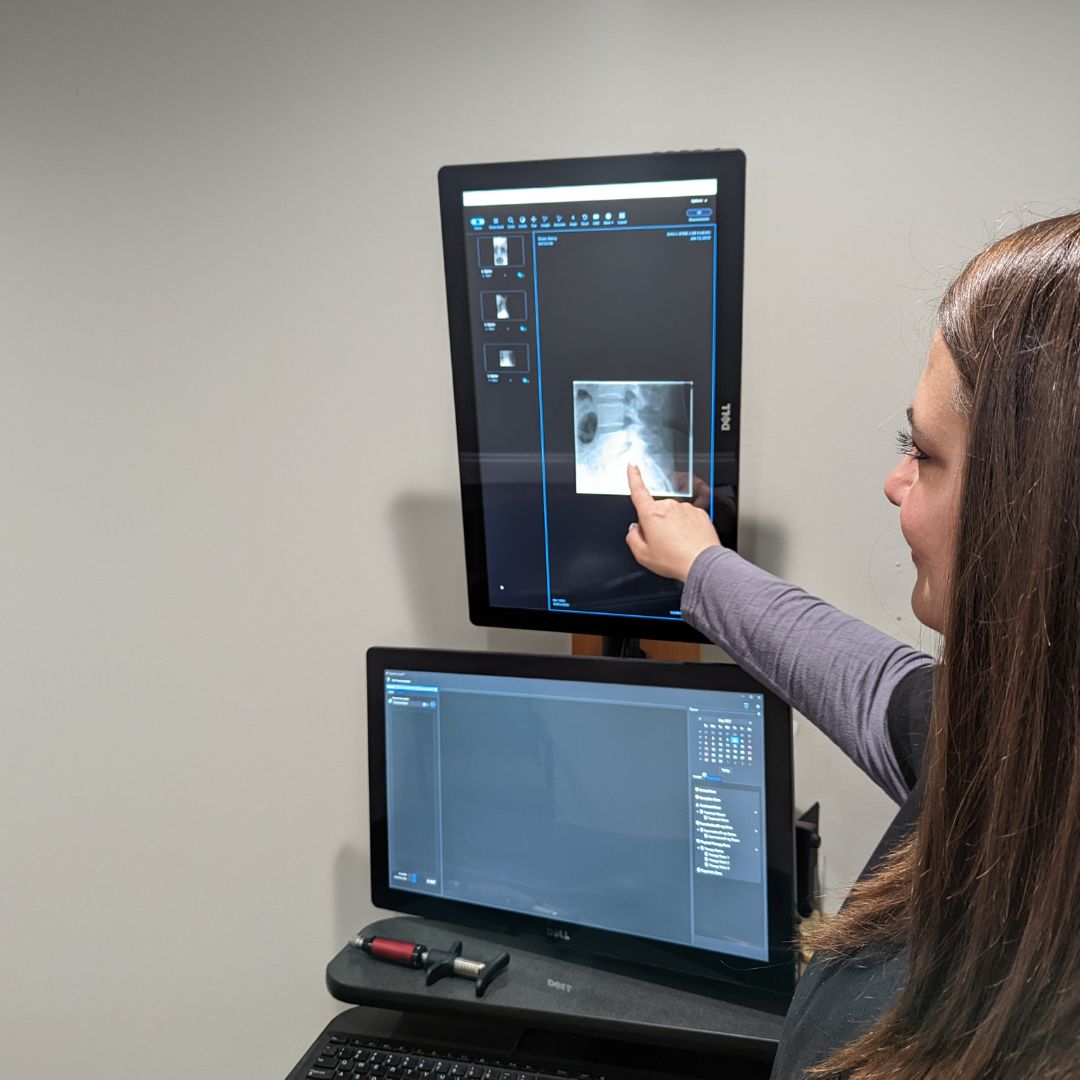
Chiropractors in the United States complete extensive education and must be licensed in the state where they practice. Their training typically includes undergraduate science coursework followed by a four‑year Doctor of Chiropractic (D.C.) program accredited by the Council on Chiropractic Education, with hours in anatomy, neurology, diagnosis, imaging, and supervised clinical care.
After graduation, they must pass national and state board examinations and complete ongoing continuing education to maintain their license, similar to other regulated healthcare professionals.
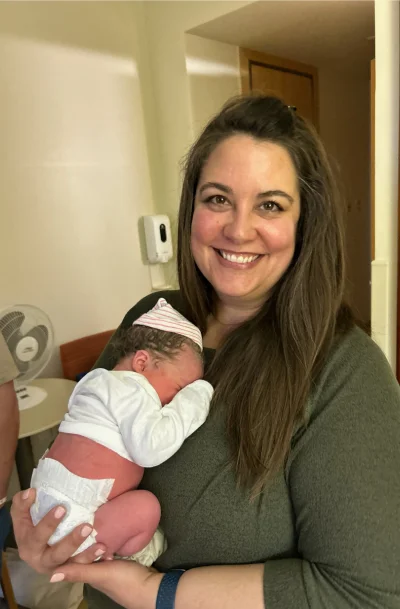
Meet Dr. Faith at Simply Well Chiropractic
Dr. Faith’s Qualifications:
- Trained in Massage Therapy
- Doctor of Chiropractic (DC) from Palmer College of Chiropractic
- Master’s Degree in Education
- Activator Technique Certification
- Trained in Webster Technique for Prenatal Care
- Advanced SoftWave Therapy Training
- Member, American Chiropractic Association
Dr. Faith earned her Doctor of Chiropractic degree from Palmer College of Chiropractic in 2022.
She holds Ohio chiropractic license (DC-05144).
Dr. Faith Swartzendruber, DC, integrates her SoftWave Therapy training and chiropractic license with her education background to deliver SoftWave treatments that are both clinically informed and patient-centered.
Dr. Faith has helped hundreds of Cincinnati patients overcome chronic pain with SoftWave Therapy and chiropractic care.
What the Evidence Says About Chiropractic Safety
Chiropractic adjustments are widely regarded as safe for most people when they’re provided by a licensed, well‑trained chiropractor. They offer a non‑invasive option for addressing common problems like back pain, neck pain, and headaches, but—like any healthcare treatment—they can involve mild side effects and, in very rare cases, more serious complications.
Short‑Term Side Effects
Most patients either feel no side effects or notice only minor, temporary reactions that typically resolve within about a day. These may include:
- Mild soreness or achiness in the treated area, similar to muscle stiffness after exercise
- A brief headache
- Feeling tired or “worn out” for a short period
Rare but Serious Risks
Serious complications from chiropractic care are possible but extremely uncommon, especially when treatment is tailored to your health history and risk factors. Potential issues, particularly with high‑velocity neck (cervical) adjustments, can include:
- Herniated or worsened spinal disk problems
- Nerve compression in the spine
- Stroke related to vertebral artery dissection (a tear in a neck artery), which is reported but considered very rare
When Chiropractic Care May Not Be Appropriate
Certain health conditions mean standard spinal manipulation may not be recommended—or should only be used with great caution and medical co‑management. These include:
- Severe osteoporosis or significantly weakened bones
- Cancer that involves the spine
- A history of, or high risk for, stroke or serious vascular disease
- Progressive numbness, tingling, or loss of strength in an arm or leg
Practical Ways to Stay Safe
You can significantly improve the safety and effectiveness of chiropractic care by taking a few proactive steps:
- Share your full medical history: Tell your chiropractor about previous injuries, surgeries, medications, bone density issues, cancers, and any neurological symptoms.
- Get a clear diagnosis: Whenever possible, seek a specific diagnosis for your pain from a qualified healthcare provider (such as a medical doctor or physical therapist), so any chiropractic care is part of a coordinated plan.
- Confirm credentials: Choose a chiropractor who is fully licensed in your state, maintains ongoing education, and is willing to communicate with your other providers when needed.
How Chiropractic Care Compares to Other Treatments
When researchers compare chiropractic care to usual medical care for issues like low back pain, patients receiving chiropractic care often report less pain, better function, and greater satisfaction. In one study summarized by Harvard Health, people with low back pain who received chiropractic care needed less pain medication. Observational data suggest that overall injury rates after chiropractic care may be lower than after primary medical care for similar complaints.
What Happens During an Adjustment?
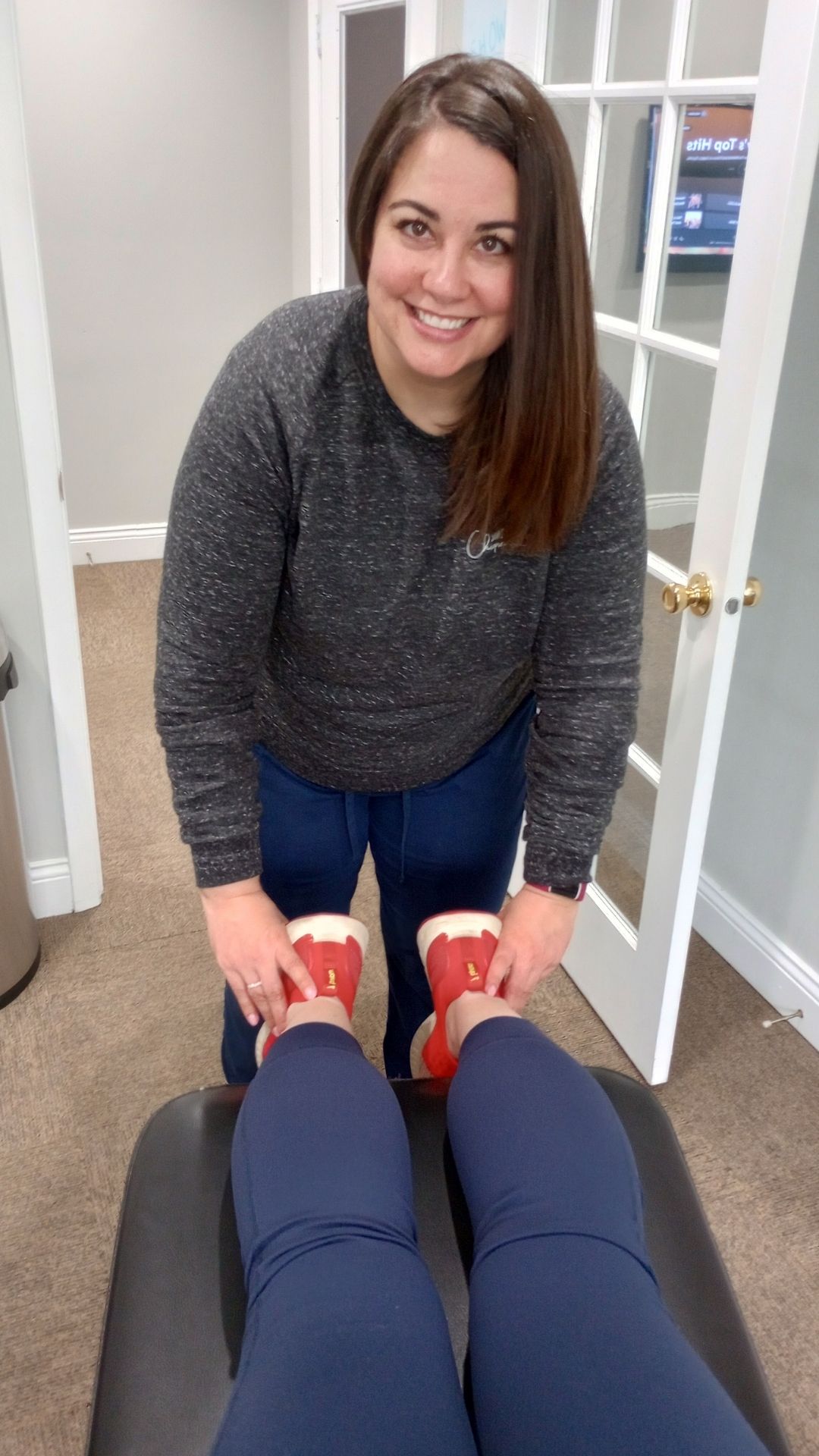
During your adjustment, you’ll lie comfortably on a padded chiropractic table while Dr. Faith focuses on specific joints that aren’t moving the way they should. She uses a precise, controlled, and quick impulse through a very small range of motion to restore normal movement and reduce tension. Many patients hear a popping or cracking sound during this process; this is simply gas releasing from the joint, similar to cracking your knuckles, not bones grinding or breaking.
Depending on your needs, Dr. Faith may also gently adjust your hips, arms, legs, or neck to address how your whole body is functioning, not just one painful spot. She will explain what she’s doing before each adjustment and will never use a technique you’re uncomfortable with—your consent and comfort are always the priority.
If you prefer a more gentle approach or are nervous about traditional “manual” adjustments, Dr. Faith is also certified in the Activator Method. This low‑force technique uses a handheld instrument to deliver very specific, controlled impulses to the joints without twisting, cracking, or strong pressure, making it an excellent option for patients seeking a softer, more subtle adjustment.
How Simply Well Chiropractic Approaches Safety
While general research about chiropractic care is helpful, how an individual office practices is what matters most for your experience. Dr. Faith integrates current evidence, thorough screening, and open communication into every visit. She will:
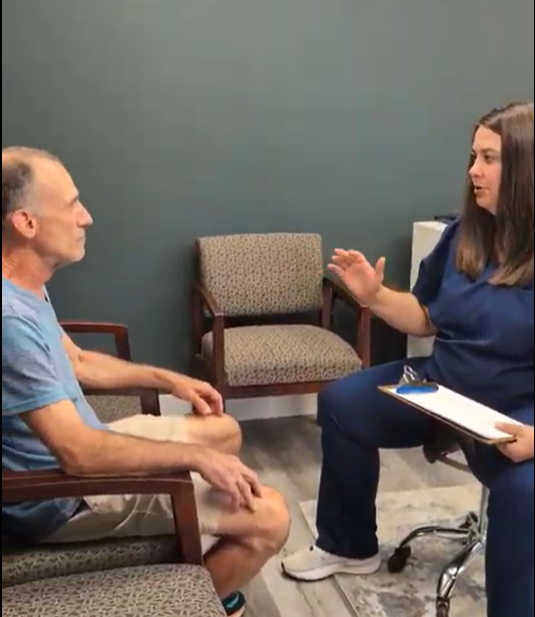
- Take a comprehensive health history and collaborate with your other providers when needed instead of working in a silo.
- Use the least‑forceful, most appropriate technique for your age, condition, and comfort level rather than a one‑size‑fits‑all approach.
- Adjust the frequency and intensity of care based on your response, not a rigid, long‑term contract that doesn’t reflect your progress.
Questions You Should Ask Before Your First Visit
Being an informed patient is one of the best safety tools you have. Before your first adjustment, consider asking:
- “What is your diagnosis, and how did you arrive at it?” to ensure your chiropractor can clearly explain their clinical reasoning.
- “Are there any red‑flag symptoms that mean I should see a medical doctor or go to the ER instead of or in addition to chiropractic care?” to make sure they recognize when to refer.
- “What are the risks and benefits of the techniques you’re recommending for my specific case?” so you can weigh your options based on your history.
- “How will we measure progress, and when would we re‑evaluate or change the plan?” to avoid unnecessary, open‑ended treatment.
- “Can I pay per visit, or am I required to sign up for a long‑term care plan or package?” to make sure you’re not being locked into an agreement that may not work for you.
A chiropractor who welcomes these questions and answers them clearly is demonstrating the kind of transparency that supports both safety and trust.
How to Decide if Chiropractic Care Is Right for You
If you are generally healthy, dealing with mechanical back or neck pain, headaches related to muscle tension, or joint stiffness, chiropractic care is likely a reasonable and low‑risk option to consider. If you have complex medical conditions, a history of cancer or severe bone loss, you’ll want Dr. Faith to coordinate with your medical providers and may need modified techniques or alternative approaches.
For many patients, chiropractic care also fits well into a broader wellness or rehabilitation plan that can also include physical therapy, exercise, nutrition, stress management, and appropriate medical care.
Address
5721 Dragon Way #101, Cincinnati, OH 45227
info@simplywellchiro.com
Phone
(513) 271-1233
Dr. Faith
Written and medically reviewed by Dr. Faith Swartzendruber, DC
Ohio Chiropractic License: DC-05144 | Palmer College of Chiropractic
Founder, Simply Well Chiropractic, Cincinnati