

How Chiropractic Keeps Your Body Moving, Nourished, and Resilient
Movement is one of the primary ways your body keeps joints nourished, nerves communicating clearly, and tissues resilient—and chiropractic care is built around restoring and protecting that movement so you can stay active with less pain and more ease.
Why Your Body Is Built To Move
Your body was never designed for long days of sitting and scrolling; it was built to walk, bend, reach, twist, and lift in lots of different directions throughout the day. When you move, joints glide, muscles contract and relax, and your nervous system constantly sends messages between your brain and body about balance, position, and pain.
Think of movement as your body’s built‑in “maintenance program.” When you move regularly:
- Synovial joints (like your spine, hips, and knees) are bathed in joint fluid that brings in oxygen and nutrients and helps clear out waste.
- Muscles and fascia stay more elastic, instead of tightening down like a stiff rubber band.
- Blood flow improves, delivering fuel to your tissues and carrying away what they don’t need.
- Your brain gets better information from your joints and muscles, which can reduce pain sensitivity over time.
When movement drops—because of pain, an injury, too much sitting, or protective muscle guarding—the opposite starts to happen: stiffness, more sensitive nerves, and a higher chance of re‑injury.



What Happens When You Stop Moving
Most people don’t “suddenly” lose mobility; it slips away a little bit at a time. Here’s what we see clinically when movement goes missing:
- Joints stiffen: Without regular motion, joint surfaces don’t get the same lubrication and nutrition, which can contribute to stiffness and degenerative changes over time.
- Muscles weaken and tighten: Some muscles shut down from lack of use, while others overwork to compensate, creating imbalances that change how you walk, sit, and stand.
- Posture collapses: Hours of forward‑head posture at a desk or looking down at a phone change spinal loading patterns, which can irritate nerves and strain ligaments.
- Pain becomes the “new normal”: The nervous system can become more sensitive when it’s constantly fed signals from tight joints and overworked muscles.
Over months and years, these small shifts often show up as chronic neck tightness, nagging low back pain, recurring headaches, or that feeling of “I’m just getting old” when you get out of bed. But in many cases, what you’re really feeling is a movement problem, not just an age problem.
How Chiropractic Restores Healthy Movement
Chiropractic care is a conservative, drug‑free way to improve how your spine and other joints move so your body can do what it’s designed to do: adapt, heal, and stay active. At its core, chiropractic focuses on the relationship between your spine, your nervous system, and your overall function.
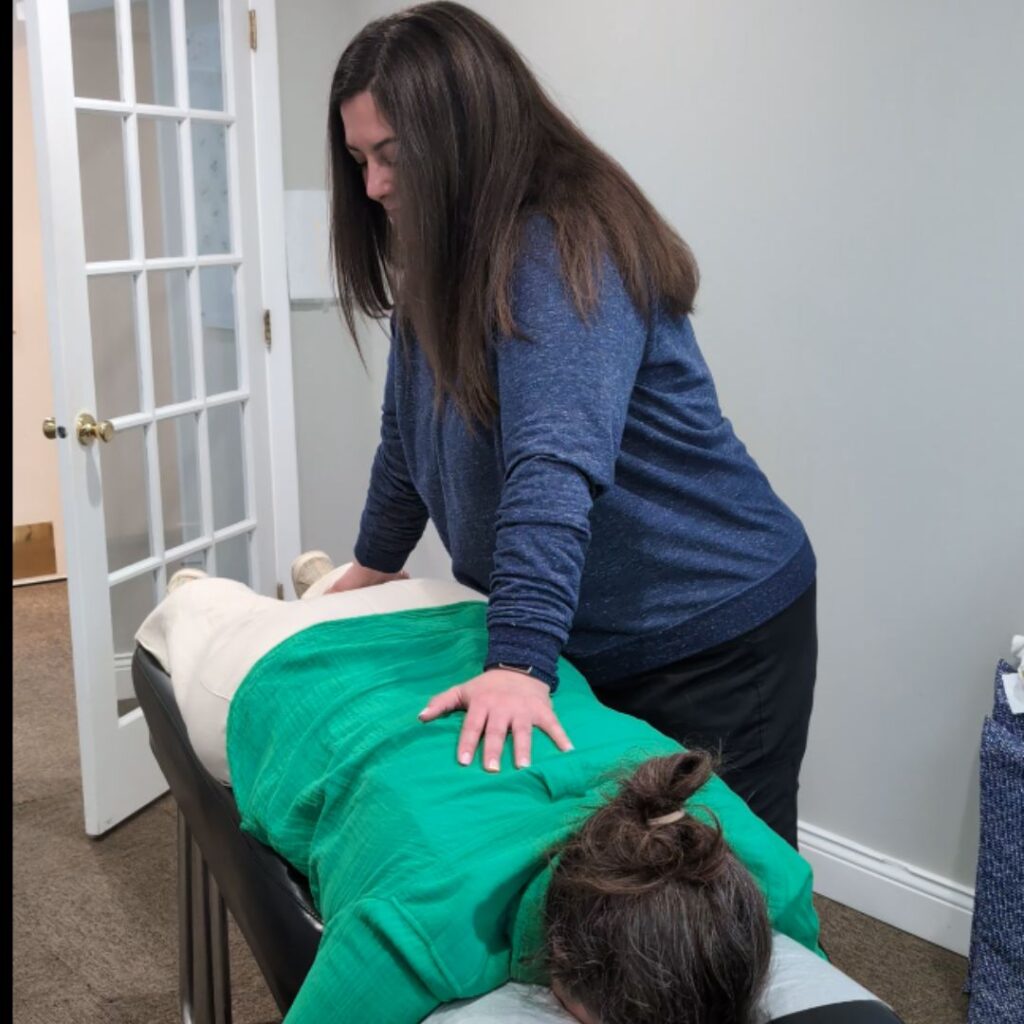
During a chiropractic adjustment, Dr. Faith applies precise, controlled force to a joint that is not moving the way it should. Research has shown that these adjustments can:
- Improve joint motion and range of movement so you can bend, twist, and turn more freely.
- Reduce muscle tension and inflammation around irritated joints, which helps decrease pain.
- Influence how your nervous system processes pain signals and coordinates movement, often resulting in better body awareness and control.
That means chiropractic isn’t only about “cracking backs.” It’s about restoring better biomechanics so each step, each lift, and each reach puts less strain on your body.
At Simply Well Chiropractic here in Cincinnati, we also pair adjustments with movement‑based recommendations that fit real life: how you sit at your desk, how you bend to pick up your kids, and how to gradually return to exercise in a way your body can tolerate.
Why Movement + Chiropractic Work So Well Together
Chiropractic and movement are not competing ideas. When your joints move better after an adjustment, movement feels safer and more comfortable, which makes you more likely to keep moving between visits. And when you move regularly, you help “lock in” the benefits of your adjustments.
Think of it like this:
- Adjustments restore and normalize joint motion.
- Gentle, regular movement keeps that motion alive and teaches your nervous system, “This is the new normal.”
- Over time, your body becomes less reactive and more resilient to everyday stressors—stairs, yardwork, long commutes, even weekend sports.
We often see patients in our office who start care because of pain, but stay because they notice side benefits: better posture, more energy, less stiffness getting out of bed, and greater confidence in their bodies. That is the real power of combining precise chiropractic care with a lifestyle that prioritizes movement.
Simple Ways To Start Moving Again (Without Overdoing It)
If you’ve been in pain or stuck at a desk, the goal is not to suddenly start training for a marathon. The goal is to reintroduce movement in a way your body can handle so you can build momentum instead of flare‑ups.
Here are gentle, chiropractor‑approved ideas to discuss with your provider:
- Movement “snacks”: Stand up every 30–60 minutes, roll your shoulders, gently turn your head side to side, and take a short walk down the hallway.
- Walking as baseline exercise: For many people, a 10–20 minute daily walk is enough to start improving circulation, joint motion, and mood.
- Mobility before intensity: Light stretches, spinal mobility drills, and core activation exercises usually belong before heavy lifting or high‑impact workouts.
- Listen to your body, not just your schedule: A bit of muscle fatigue is normal; sharp or worsening pain is a sign to stop and get evaluated.
At Simply Well Chiropractic, we can help you map out a movement plan that matches your current condition, whether that’s recovering from an injury, managing a chronic issue, or simply wanting to stay active and independent as you age.
Use this paragraph section to get your website visitors to know you. Write about you or your organization, the products or services you offer, or why you exist. Keep a consistent communication style. Consider using this if you need to provide more context on why you do what you do. Be engaging. Focus on delivering value to your visitors.



When To Consider A Chiropractic Evaluation
You don’t have to wait until your pain is a “10 out of 10” to ask for help. It’s worth scheduling a chiropractic evaluation if you notice any of the following patterns:
- You avoid certain movements—bending, twisting, or lifting—because they always “set things off.”
- You feel stiff or sore most mornings, even though you’re not doing anything especially intense.
- Headaches, neck tightness, or low back pain keep coming back, even after rest, stretching, or over‑the‑counter medications.
- You want to stay active (with your kids, your work, or your hobbies) but feel like your body keeps holding you back.
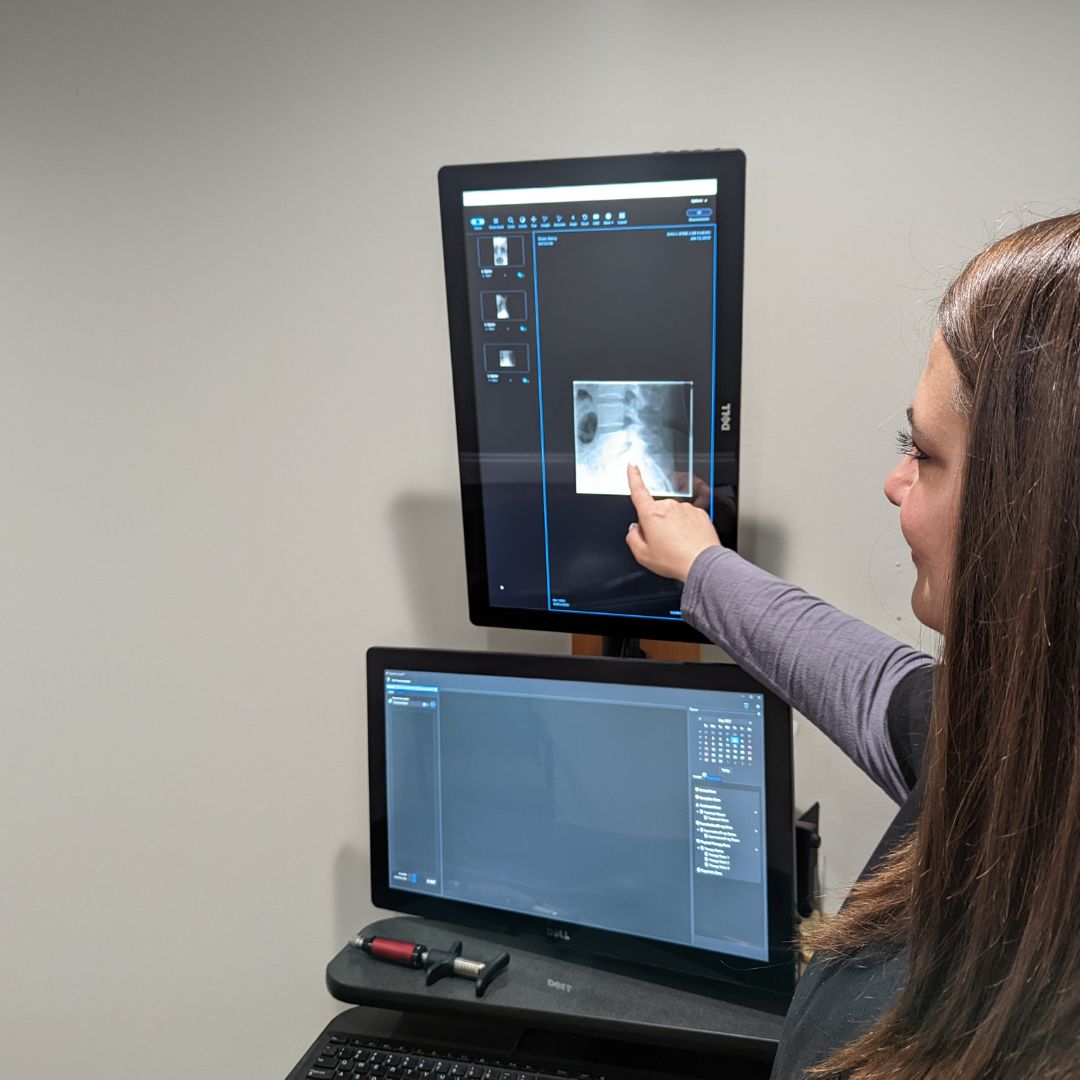
During an appointment, we take a detailed history, perform a hands‑on and neurological exam, and, if appropriate, design a care plan that may include chiropractic adjustments, SoftWave Therapy, and movement‑based strategies tailored to you.
If you’re in the Cincinnati area and wondering whether better movement is possible for you, we’d be happy to sit down, listen to your story, and help you take the next step.
Address
5721 Dragon Way #101, Cincinnati, OH 45227
info@simplywellchiro.com
Phone
(513) 271-1233
Dr. Faith
Written and medically reviewed by Dr. Faith Swartzendruber, DC
Ohio Chiropractic License: DC-05144 | Palmer College of Chiropractic
Founder, Simply Well Chiropractic, Cincinnati





One Comment
Comments are closed.