Guide to Lower Back Pain When You Sit or Stand Too Long
Most lower back pain that shows up when you sit or stand too long comes from how your spine, discs, muscles, and nerves respond to sustained, fixed positions—not just from “bad posture” alone. The good news: in most people it’s mechanical, meaning it’s related to how things move and load, and it usually improves with the right movement, ergonomics, and targeted care.
Why Does My Lower Back Hurt When I Sit or Stand Too Long?
If your lower back starts aching after a long day at your desk or a shift on your feet, you’re not alone. Sitting or standing in one position for too long is one of the most common triggers of mechanical low back pain—and it’s often very treatable.
At Simply Well Chiropractic in Cincinnati, we see this pattern every week: your back feels fine at first, then a dull ache creeps in, maybe stiffness when you go to stand up, and sometimes a sharp catch if you bend or twist. Let’s break down why it happens and what you can do about it.

How Your Lower Back Works When You Sit or Stand
Your lower back is a complex system of bones (vertebrae), discs, joints, ligaments, and muscles designed to handle movement—not stillness. When you stay in one position, those tissues absorb load in very specific ways that can either support you or slowly irritate your spine.
When you stand, your spinal joints and muscles work constantly to keep you upright against gravity.
When you sit, the pressure on the discs in the lower spine actually increases compared to standing, especially if you slouch or lean forward. If any part of that system is stiff, weak, or overloaded, staying in one position—sitting or standing—can start to hurt.
Why Your Back Hurts When You Stand Too Long
Standing isn’t “resting” for your lower back. It’s an active, muscular job. Over time, several factors can turn normal standing into a pain trigger.
Facet joint irritation
The small joints at the back of your spine (facet joints) guide motion and help bear load when you stand. If they’re inflamed or arthritic, prolonged standing compresses them and can create an ache or sharp pain in your lower back, often worse with arching or standing in one place.
Lumbar disc strain and compression
Your discs act like shock absorbers between vertebrae. Long periods of standing with a swayback posture, locked knees, or poor alignment shift more load onto certain discs and ligaments, which can cause deep, aching pain and sometimes radiating symptoms if a disc bulges or herniates.

Postural habits and footwear
Small posture habits add up. Standing with your weight on one leg, locking your knees, or wearing unsupportive or high‑heeled shoes changes how force travels through your spine. Over time, those patterns can irritate joints, muscles, and nerves.
Weak core and glutes
If the muscles around your spine and hips (core, glutes, deep stabilizers) aren’t doing their share, your lower back muscles overwork just to keep you upright. That extra work leads to fatigue, tightness, and that “hot” ache across your low back after you’ve been standing too long.
Sacroiliac (SI) joint dysfunction
Where your spine meets your pelvis, the sacroiliac joints help transfer load between your upper body and legs. If one SI joint is stiff or unstable, you may feel pain on one side of your lower back or buttock that worsens with prolonged standing or walking.
Why Your Back Hurts When You Sit Too Long
On the flip side, many people feel fine standing but struggle with back pain after sitting at a desk, in the car, or on the couch.
Sitting increases disc pressure
Research shows the pressure on the discs in the lowest part of your lumbar spine can double or even triple when you move from standing to sitting—especially if you lean forward. That extra load, repeated day after day, can contribute to disc degeneration or herniation over time.
Slouching and “C‑shaped” posture
When you slouch, your pelvis tilts backward and you end up sitting on the upper part of your buttocks instead of your sit bones. This stretches the ligaments and muscles in your lower back and hamstrings, creating tension and stiffness that often feels worse when you first stand up.

Muscle imbalances: tight hip flexors, weak glutes
Hours of sitting shorten the hip flexors (front of the hips) and can weaken the glutes and core. That combination tilts your pelvis forward when you stand, increasing the arch in your lower back and making both standing and walking more uncomfortable.
Existing arthritis or disc issues
If you already have disc degeneration or osteoarthritis, staying in one position too long can make symptoms flare. People in their 30s–50s often notice stiffness and pain from disc changes, while older adults may feel more joint‑related stiffness after prolonged sitting.
Common Conditions Behind Pain With Sitting or Standing
Several mechanical conditions commonly show up as “My back hurts when I sit or stand too long”:
- Mechanical low back pain from muscle strain, ligament sprain, or joint irritation.
- Lumbar disc bulge or herniation, sometimes with leg pain, numbness, or tingling.
- Facet joint arthropathy or irritation, often worse with standing or extension.
- Sacroiliac joint dysfunction, which can cause one‑sided low back or buttock pain.
- Postural syndrome, where prolonged positions—more than any specific movement—are the main trigger.
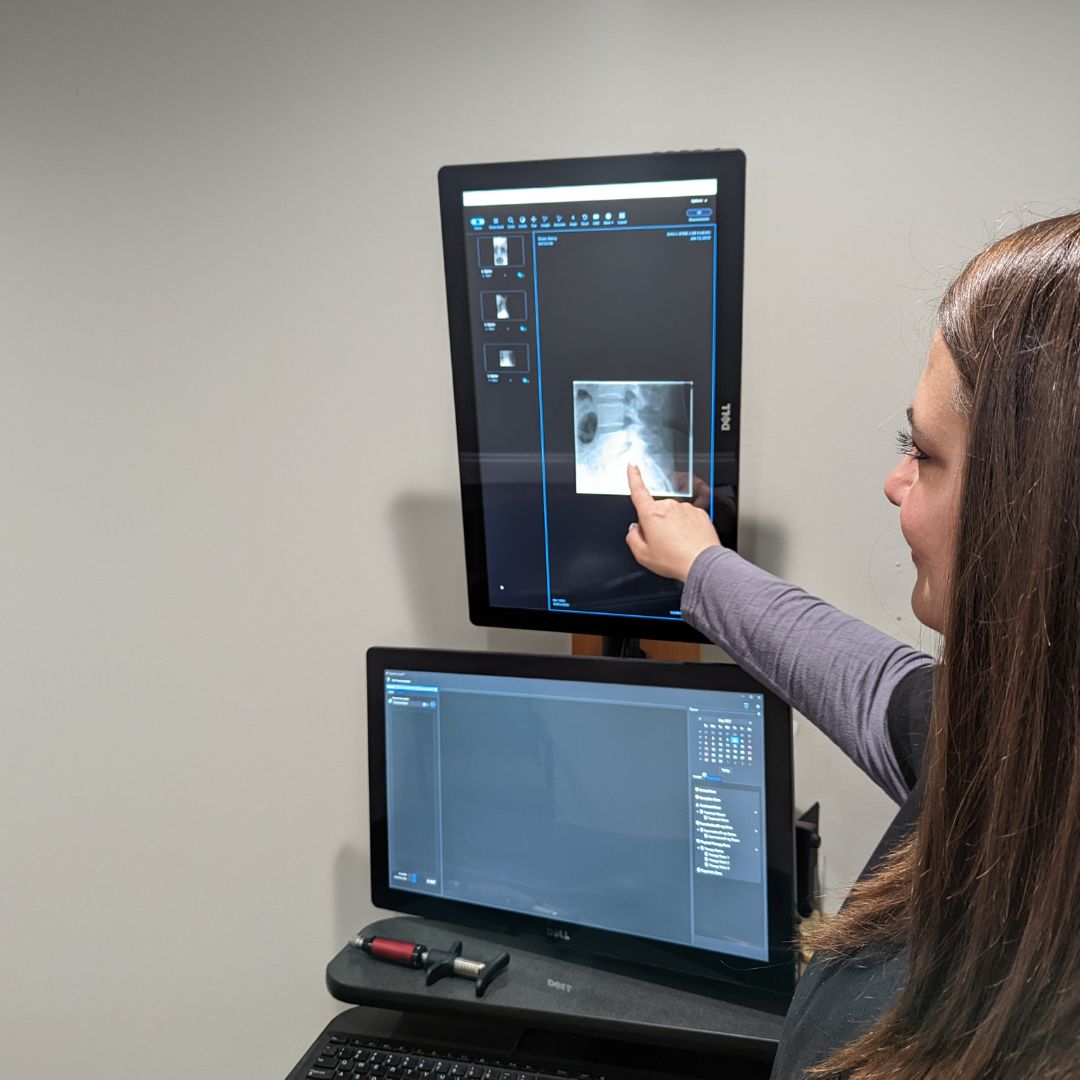
The important point: imaging like X‑rays and MRIs don’t always explain your pain; how you move and how long you stay in one position matters just as much.
Red Flag Symptoms: When to Get Immediate Help
Most low back pain from sitting or standing is mechanical and not dangerous. But you should seek urgent medical care right away if you notice:
- New trouble controlling your bladder or bowels.
- Significant weakness in one or both legs.
- Numbness around the groin or saddle area.
- Severe pain after a fall, accident, or trauma.
- Pain that is constant, severe, and not relieved by changing positions, especially if accompanied by fever or unexplained weight loss.
For persistent pain lasting longer than two weeks, or if your pain keeps returning, it’s time for a proper evaluation.
Simple Things You Can Do Right Now
Small changes in how you sit, stand, and move through the day often make a big difference.
Movement breaks: your back’s best friend
- Stand up, walk, or stretch every 30–60 minutes, even for 1–2 minutes.
- Alternate between sitting and standing if you have a sit‑stand desk.
- On long shifts standing, shift your weight, walk in place, or rest one foot on a small stool to unload your back.
How to sit to reduce lower back pain
- Sit all the way back in your chair so your sit bones contact the back of the seat.
- Keep your feet flat on the floor and knees about level with or slightly higher than your hips.
- Use a small lumbar pillow or rolled towel at the small of your back to support the natural curve.
- Keep the screen at eye level so you’re not craning your neck forward.
How to stand with less strain
- Stand with feet about hip‑width apart, knees slightly bent, not locked.
- Distribute your weight evenly on both feet; don’t lean on one hip.
- Keep your ears over your shoulders, shoulders over your hips, and avoid exaggerated arching of the low back.
- Wear cushioned, supportive shoes and avoid long periods in high heels if back pain is an issue.
Stretches and Exercises That Often Help
Always stop if a movement causes sharp pain, numbness, or worsening symptoms, and ask a provider before starting any new exercise program.
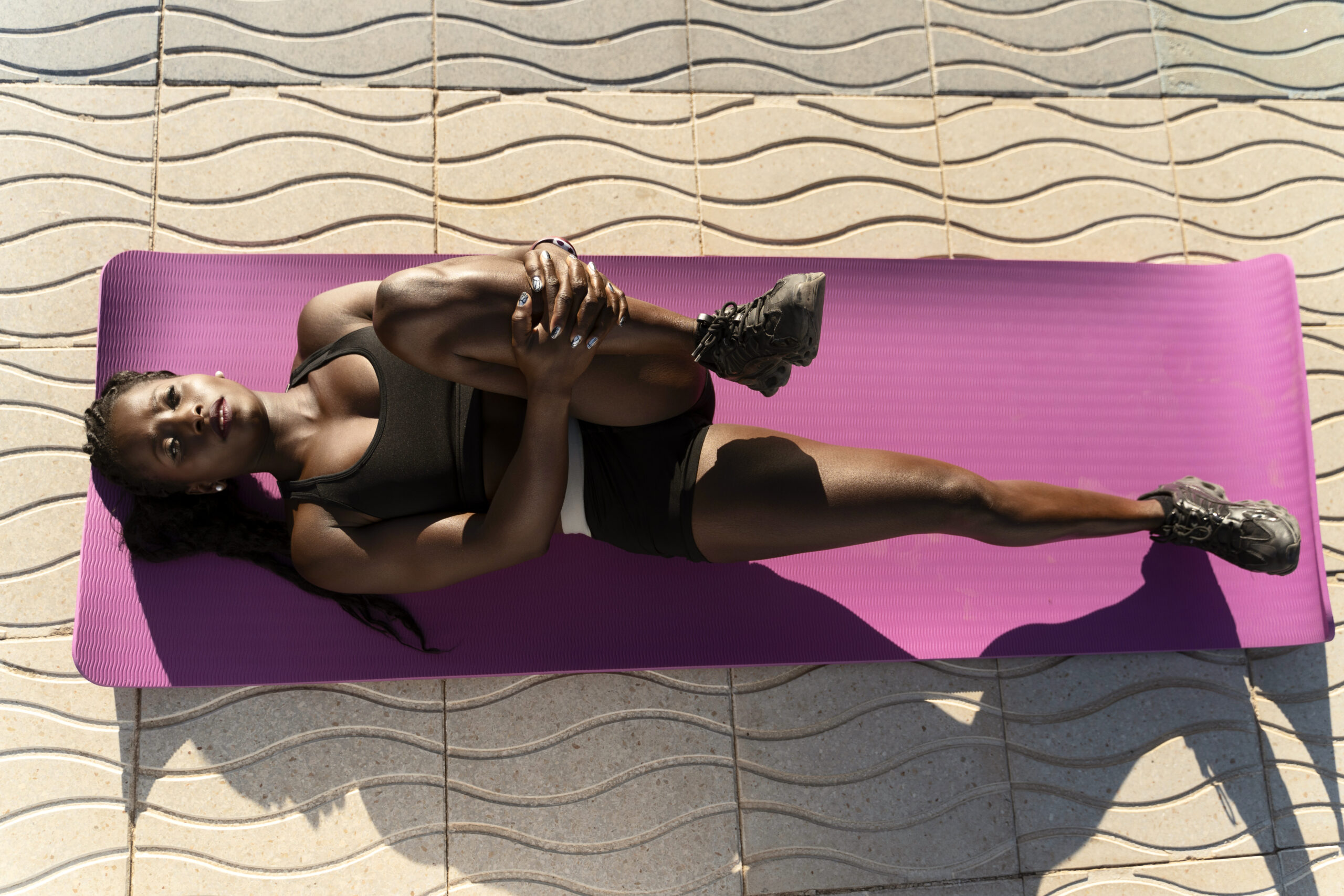
Gentle stretches for sitting‑related pain

Hip flexor stretch
Kneel on one knee with the other foot in front, gently shift your hips forward until you feel a stretch in the front of your hip.

Hamstring stretch
Sit on the edge of a chair, straighten one leg with the heel on the floor, then hinge forward from your hips until you feel a stretch behind your thigh.
Core and back‑support exercises

Bird dog
On hands and knees, extend opposite arm and leg while keeping your spine neutral to train core and back stability.
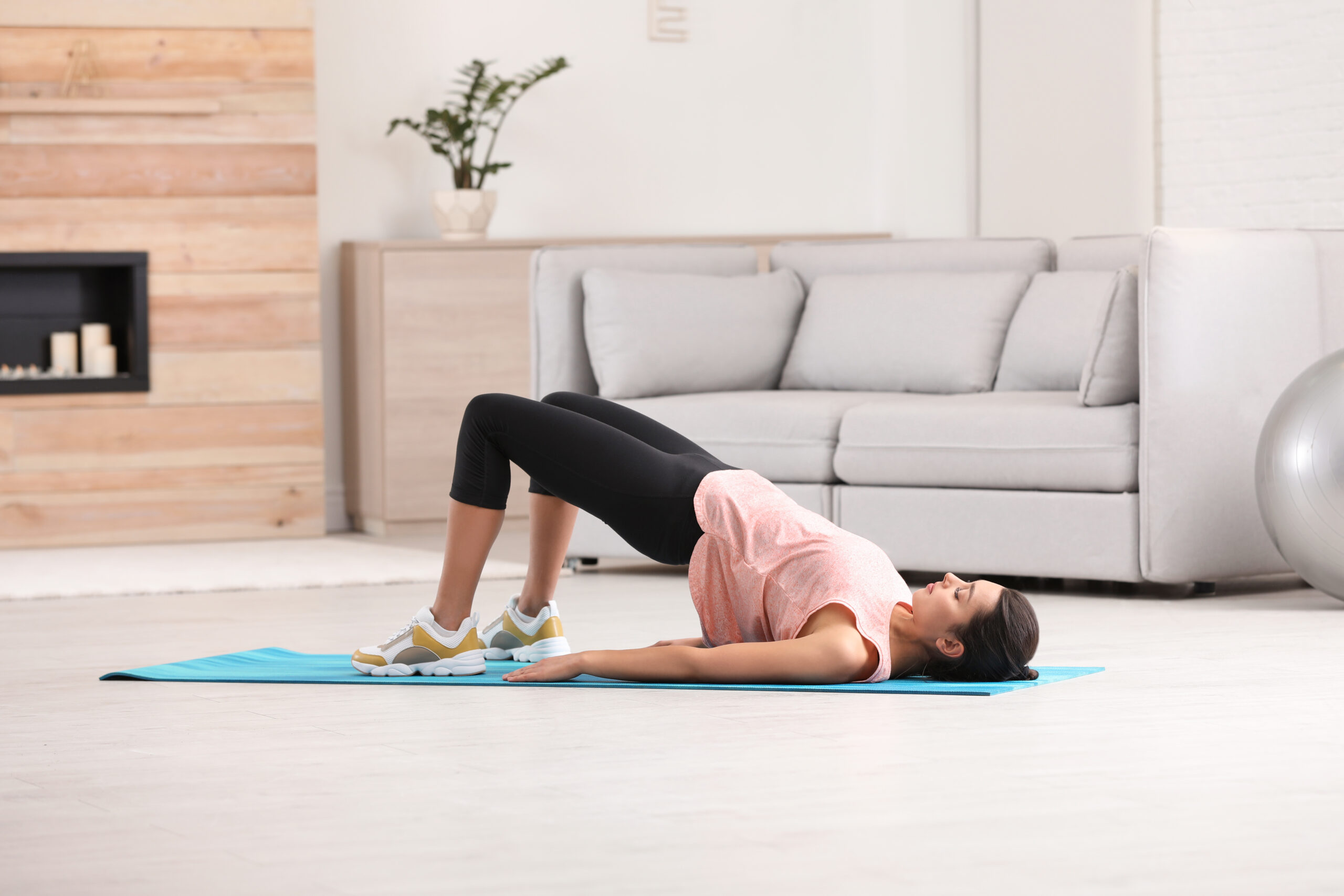
Glute bridges
Lying on your back with knees bent, lift your hips by squeezing your glutes, not arching your low back.
How Chiropractic Care Can Help
Chiropractic care focuses on restoring healthy motion in the joints of the spine and pelvis, improving alignment, and calming irritated tissues so your body can heal.
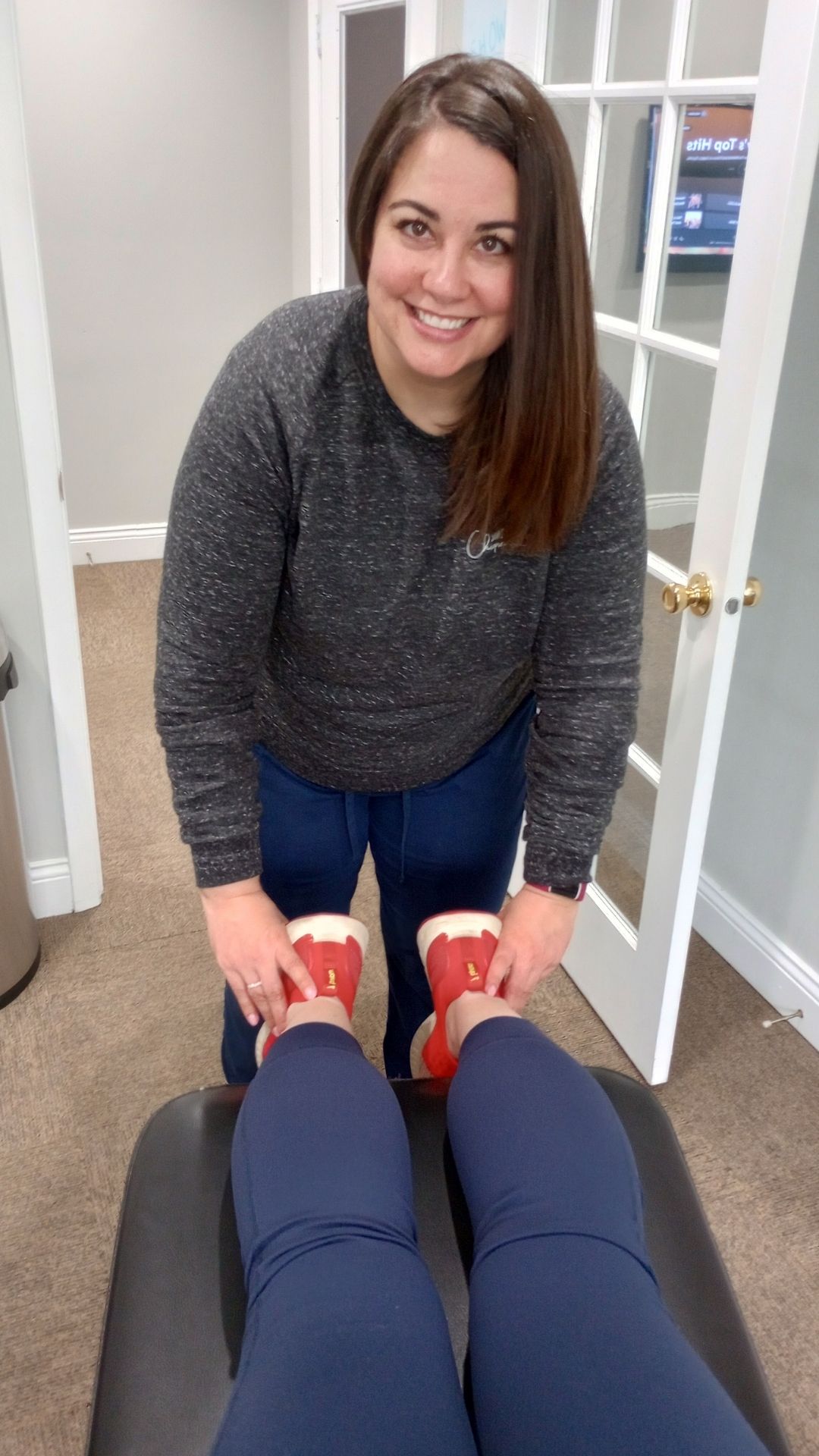
At Simply Well Chiropractic, a typical plan for back pain that worsens with sitting or standing might include:
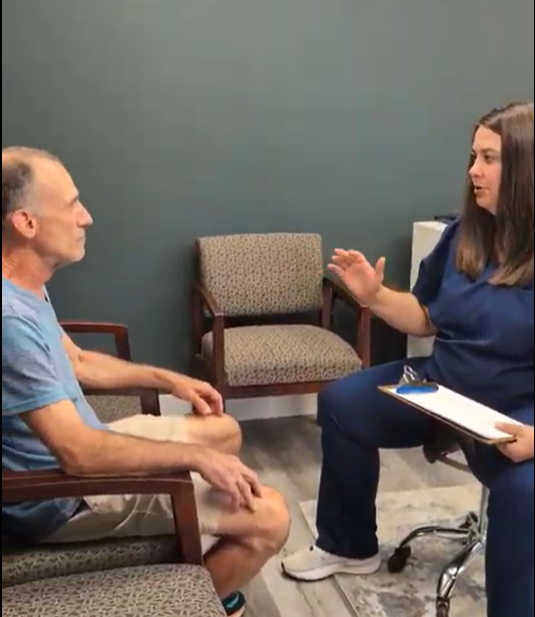
- A thorough history and exam to pinpoint whether your pain is coming from discs, joints, muscles, nerves, or a combination.
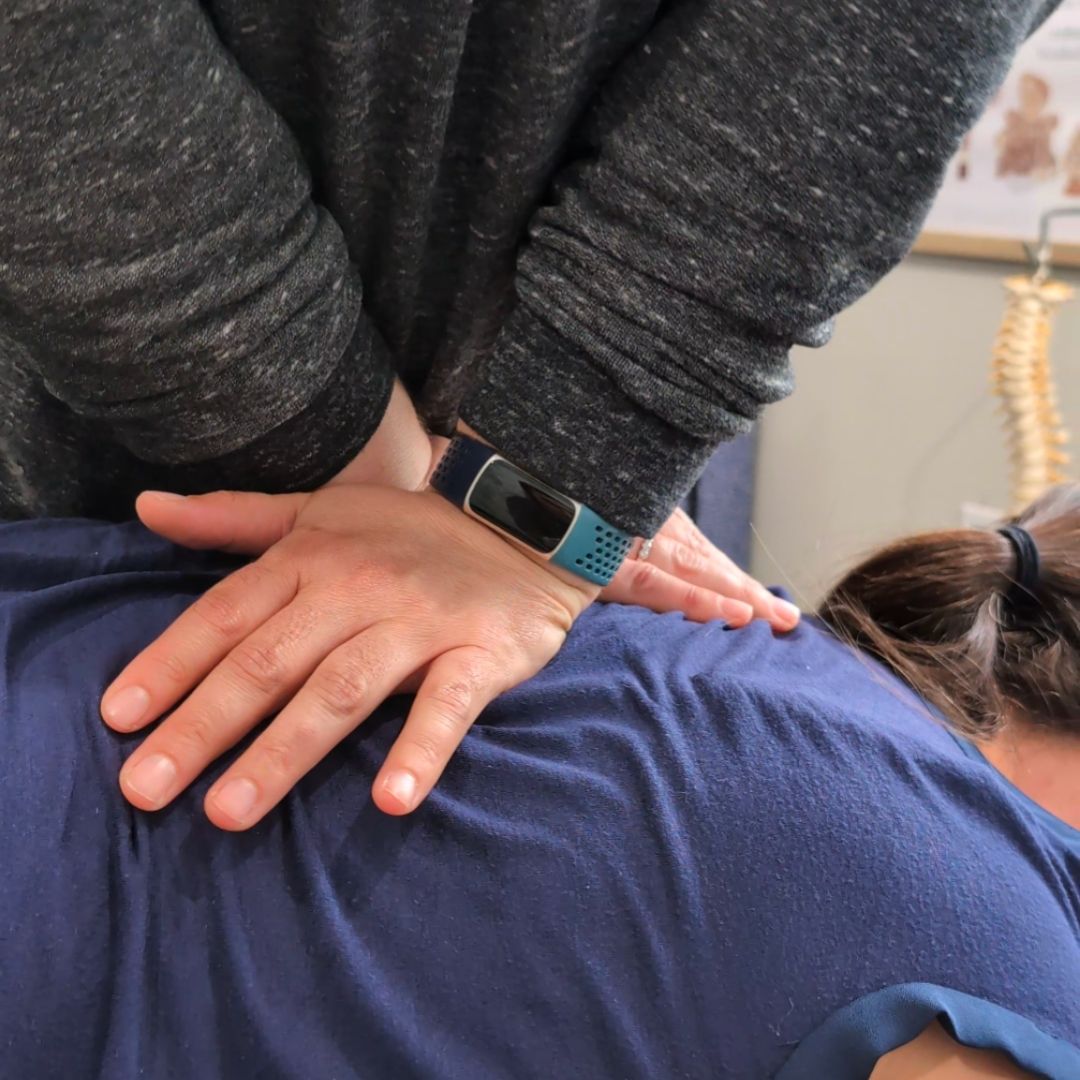
- Gentle chiropractic adjustments to improve movement in restricted spinal and pelvic joints, which can reduce pain and stiffness.
- Soft‑tissue work to release tight muscles and fascia that are overworking to hold you up.
- Individualized rehab exercises to strengthen your core, hips, and postural muscles so you can tolerate sitting or standing longer without pain.
- Ergonomic and lifestyle coaching tailored to your work, home, and hobbies.
Studies have found that for some patients, chiropractic care can be a cost‑effective option compared to other conservative treatments for low back pain.
What to Expect at Your First Visit
If your back has been bothering you every time you sit or stand too long, seeking chiropractic care will help ease your pain so that you can properly perform stretches and exercises.
You can expect:
- A detailed conversation about your symptoms, daily activities, and health history.
- A physical exam that looks at posture, range of motion, muscle balance, and neurologic signs.
- An explanation—in plain language—of what’s most likely causing your pain and whether further imaging is needed.
- A step‑by‑step treatment plan that outlines what we’ll do in the office and what you can do at home between visits.
The goal isn’t just to get you through today’s flare‑up, but to change the underlying patterns so sitting and standing stop being triggers for your lower back.
When It’s Time to Get Your Back Checked
You don’t have to wait until the pain is severe to seek help. Consider scheduling an evaluation if:
- Your lower back hurts most days you sit or stand for more than 30–60 minutes.
- You feel stiff or “stuck” when you go from sitting to standing.
- You’ve tried basic stretching or posture changes and the pain keeps returning.
- Your back pain is starting to affect work, family time, or sleep.
Early, conservative care often leads to better outcomes and helps prevent small, mechanical issues from turning into long‑term problems.
How to Decide if Chiropractic Care Is Right for You
If your lower back keeps flaring up every time you sit or stand too long, you don’t have to just “live with it.” At Simply Well Chiropractic in Cincinnati, we look beyond generic posture tips to find the real mechanical cause of your pain and build a plan that fits your daily life.
Ready to find out what’s really going on with your back—and what to do about it?
Call Simply Well Chiropractic today at [PHONE] or click here to request an appointment online.
Not sure if chiropractic is right for you?
Schedule a no‑obligation consultation and get your questions answered before you commit to care..
Address
5721 Dragon Way #101, Cincinnati, OH 45227
info@simplywellchiro.com
Phone
(513) 271-1233
Dr. Faith
Written and medically reviewed by Dr. Faith Swartzendruber, DC
Ohio Chiropractic License: DC-05144 | Palmer College of Chiropractic
Founder, Simply Well Chiropractic, Cincinnati