What happens to your body in a car accident is not just about the moment of impact—it is a rapid chain of biomechanical, neurological, and inflammatory responses that can affect nearly every system in the body, often with symptoms that appear hours or days later.
What Happens to Your Body After a Car Accident
A car accident places sudden, intense stress on your body, triggering a cascade of physical and neurological responses. Even at low speeds, the forces involved can disrupt joints, strain soft tissues, and irritate the nervous system. Many injuries are not immediately obvious, which is why people in Cincinnati often feel “fine” at first—only to develop pain, stiffness, or headaches days later.
At Simply Well Chiropractic, Dr. Faith helps patients understand that recovery is not just about healing damage—it is about restoring proper movement and alignment so the body can fully recover.
The Science Behind a Car Crash: How Your Body Absorbs Impact
Kinetic Energy and Sudden Deceleration
When your car stops suddenly, your body continues moving until restrained by a seatbelt or airbag. This creates rapid acceleration-deceleration forces that transfer energy into your tissues. Muscles, ligaments, and joints absorb this force in milliseconds, often beyond their normal capacity.
Even a crash at 25–35 mph can generate enough force to cause microtears and joint dysfunction, especially in the neck and spine.
Why the Spine Is Most Vulnerable
The spine is designed for both stability and mobility, which makes it particularly susceptible during a crash. Each vertebra moves slightly differently under stress, creating shear forces that can disrupt joint mechanics and irritate nearby nerves.
Dr. Faith frequently sees Cincinnati car accident patients with spinal misalignments after accidents that initially seemed minor, but led to ongoing pain due to uncorrected dysfunction.
What Happens to Your Body Immediately After a Crash?
Adrenaline and Delayed Pain
Immediately after a collision, your body releases adrenaline and other stress hormones. This “fight or flight” response can temporarily mask pain, making injuries harder to detect.
As adrenaline levels drop—often within 24 to 72 hours—pain, stiffness, and inflammation begin to surface.
Untreated injuries can lead to chronic pain, stiffness, and reduced mobility. Scar tissue can form improperly, and joint dysfunction can persist.
Early Signs of Injury to Watch For
Immediately after an accident, adrenaline often masks pain. As it wears off, symptoms typically emerge:
Dr. Faith advises Cincinnati patients to get evaluated even if symptoms seem mild, as early intervention can prevent long-term complications.
Common Physical Injuries After a Car Accident

Whiplash and Neck Injuries
Whiplash occurs when the head rapidly snaps backward and forward, straining the muscles and ligaments of the neck. This can lead to pain, stiffness, headaches, and reduced mobility.
It is one of the most common injuries treated at Simply Well Chiropractic.
Back Injuries and Spinal Misalignment
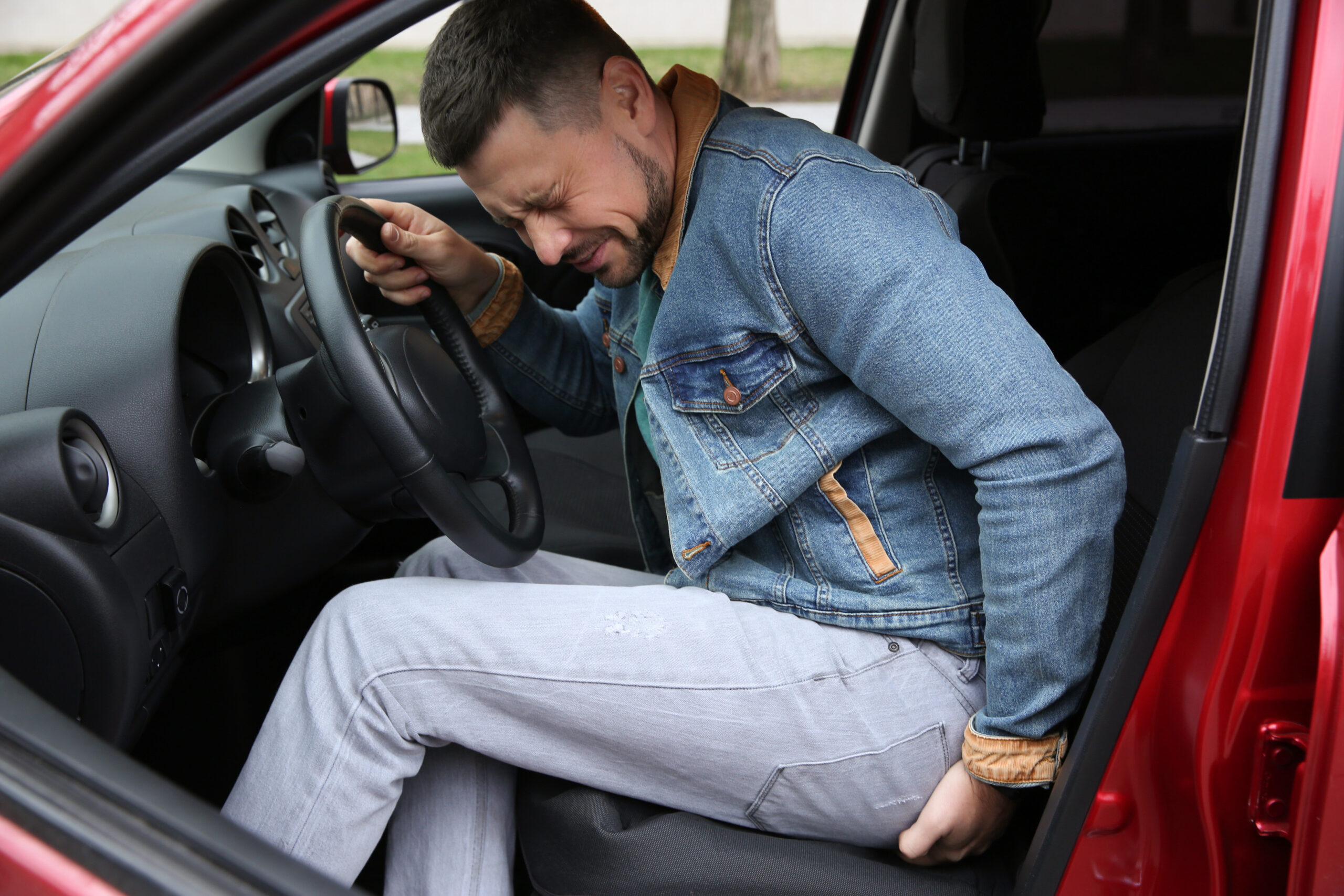
The lower back is also highly affected during a crash. Compression and twisting forces can irritate discs, joints, and nerves, leading to pain, stiffness, or sciatica.
Spinal misalignments can alter movement patterns and place ongoing stress on surrounding tissues if not corrected.

Head Injuries and Concussions
Concussions can occur even without direct head impact. The rapid movement of the brain inside the skull can disrupt normal function, causing symptoms like headaches, dizziness, and difficulty concentrating.
Patients in Cincinnati are often referred for co-management when concussion symptoms are present.

Soft Tissue Damage and Inflammation
Muscles, ligaments, and tendons can develop microtears during a crash. This leads to inflammation, swelling, and pain that may worsen over time.
Without proper care, these injuries can form scar tissue and limit mobility.
Impacts from a Head-On Collision
Head-on collisions produce some of the most severe forces because two moving objects collide directly.
Common effects include:
- Forward flexion injuries to the spine.
- Chest trauma from the steering wheel or seatbelt.
- Head injuries from airbag deployment or impact.
The spine often experiences both compression and flexion, increasing the risk of disc injury and nerve irritation.


Impacts from a Rear-End Collision
Rear-end accidents are the primary cause of whiplash injuries.
What happens biomechanically:
- The torso is pushed forward by the seat.
- The head lags behind, then snaps forward rapidly.
- This creates a whip-like motion in the cervical spine.
This motion can:
- Stretch and tear ligaments.
- Disrupt normal joint mechanics.
- Lead to chronic instability if untreated.
Many patients feel “fine” initially, only to develop significant pain and stiffness within 24–72 hours.
Impacts from a Side Collision
Side-impact (T-bone) crashes introduce lateral forces that the body is less equipped to handle.
These often result in:
- Asymmetrical spinal injuries.
- Rib and shoulder trauma.
- Pelvic and hip misalignment.
Because the spine is forced sideways, it can create uneven stress patterns that contribute to long-term compensation and chronic pain.

Psychological Effects After a Car Accident
Car accidents affect more than just the physical body. Your entire system often enters a heightened stress state.
Common psychological responses include:
- Acute stress or shock.
- Anxiety when driving.
- Sleep disturbances.
- Post-traumatic stress symptoms.
There is also a strong connection between physical injury and emotional stress. Persistent pain can reinforce anxiety, while stress can increase muscle tension and slow healing.
How Pain and the Nervous System Are Connected
Physical pain and emotional stress are closely linked through the nervous system. Ongoing pain can increase stress levels, while stress can amplify pain perception.
Addressing both is essential for full recovery.
Stress, Anxiety, and PTSD Symptoms
Car accidents can trigger ongoing stress responses, including anxiety, difficulty driving, sleep disturbances, and even PTSD symptoms.
These are common and often overlooked aspects of recovery.
How to Prevent Long-Term Injuries After a Car Accident
The biggest mistake people make is waiting too long to get evaluated. Many car accident injuries are soft tissue–based and worsen without proper care.
Key steps to reduce long-term complications:
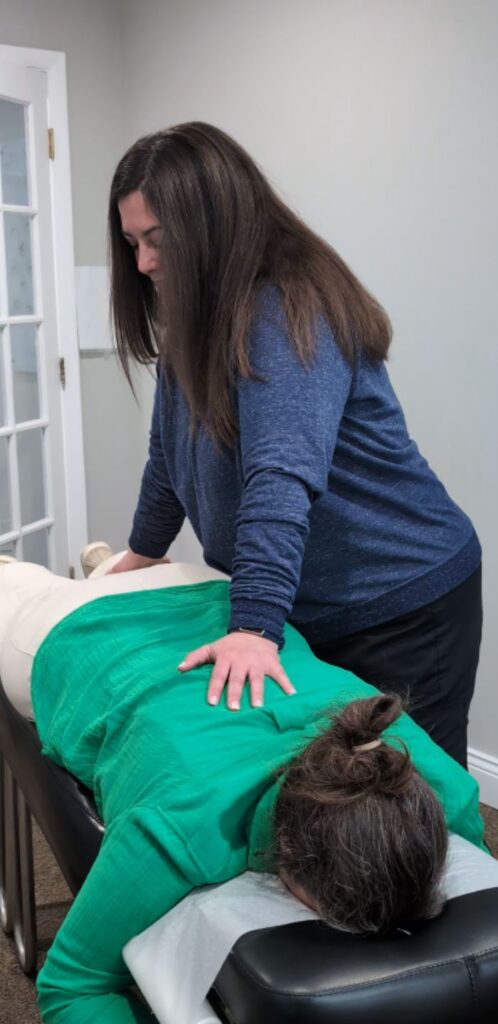
Chiropractic care plays a critical role here. By restoring proper spinal motion and reducing nerve interference, it helps prevent acute injuries from becoming chronic conditions like persistent neck pain, headaches, or sciatica.
How Chiropractic Care Helps You Recover After a Car Accident
Restoring Spinal Alignment and Motion
Chiropractic adjustments help restore proper joint movement and alignment, reducing mechanical stress on the body.
Reducing Inflammation and Nerve Irritation
Improving mobility and alignment helps decrease inflammation and relieve pressure on irritated nerves.
Preventing Long-Term Dysfunction
Correcting dysfunction early helps prevent chronic pain, stiffness, and recurring injuries.
Car Accident Injury Treatment in Cincinnati
What to Expect at Simply Well Chiropractic
At Simply Well Chiropractic, Dr. Faith and the team are focused on making your recovery as smooth and stress-free as possible—especially after a car accident. From your first call to your treatment plan, everything is designed to be clear, supportive, and efficient so you can focus on healing.
We work closely with personal injury cases throughout Cincinnati and handle much of the coordination for you, including communication with attorneys and insurance providers.
What to Bring & Have Ready for Your Personal Injury Case
To help us get your care started quickly, it is helpful to have the following information available when you call or come in.
Quick Checklist: What to Have Ready When You Call
- Case number (if assigned)
- Claim number (if available)
- Attorney’s name and/or law firm phone number
- Case manager contact information
- Insurance company name
Your case number is typically assigned by your attorney or insurance company and helps us coordinate your care and billing. If you do not have everything yet, that is completely okay—our team can help you track down the necessary details.
How We Verify Your Open Injury Case
Once you contact Simply Well Chiropractic, we begin the process of verifying your case so treatment can start without delays.
Here is what happens:
- You provide your attorney’s contact information or insurance claim number
- Our team contacts your attorney’s office to confirm: your case is active, your injuries are related to a car accident, chiropractic care is authorized, lien arrangements are accepted
- We verify your insurance coverage by contacting your PIP provider to confirm benefits, coverage limits, and remaining availability
- We coordinate billing directly with your attorney or insurance company
- Care begins as soon as verification is complete
This process allows Cincinnati patients to start treatment quickly without getting stuck in administrative back-and-forth.
We Handle the Details So You Can Focus on Healing
Personal injury cases can feel overwhelming, especially when you are already dealing with pain. At Simply Well Chiropractic, we take care of the paperwork, communication, and coordination so you do not have to.
No confusion. No runaround. Just clear guidance and focused care from Dr. Faith and the team.
Your First Chiropractic Appointment at Simply Well Chiropractic
Your first visit at Simply Well Chiropractic is designed to be thorough, informative, and comfortable.
You can expect:

A detailed discussion of your accident, symptoms, and health history
A comprehensive chiropractic examination evaluating posture, movement, and areas of restriction
Clear explanations of findings and personalized care recommendations
Time to ask questions and fully understand your treatment plan.
Dr. Faith takes the time to ensure every patient feels heard, informed, and confident about their next steps.
Address
5721 Dragon Way #101, Cincinnati, OH 45227
info@simplywellchiro.com
Phone
(513) 271-1233
Dr. Faith
Written and medically reviewed by Dr. Faith Swartzendruber, DC
Ohio Chiropractic License: DC-05144 | Palmer College of Chiropractic
Founder, Simply Well Chiropractic, Cincinnati